When selecting personal protective equipment (PPE), most attention naturally goes to filter performance and mask fit. But there is a less visible standard that plays an equally important role in day-to-day safety: EN 148-1. This standard doesn’t determine how well a filter protects against gases or particles. It determines whether a filter can physically and reliably connect to a facepiece at all. Understanding this distinction is essential for anyone responsible for procuring or specifying respiratory protective equipment.
What Is EN 148-1?
EN 148-1 is a European standard titled “Respiratory protective devices – Threads for facepieces – Part 1: Standard thread connection.” It specifies the standard thread dimensions used to connect filters to facepieces such as half masks and full face masks, along with the test equipment needed to assess compliance.
In practice, this connection is widely known by two other names: the DIN 40mm thread or Rd40. Regardless of which term is used, all three refer to the same standardized screw connection.
A Connection Standard, Not a Performance Standard
This is the point that causes the most confusion, and it’s worth stating clearly: EN 148-1 says nothing about how well a filter or mask protects the wearer. It only governs whether the physical connection between filter and facepiece is standardized.
Filter and mask performance is determined by separate standards:
- EN 143 – particle filters
- EN 14387 – gas and combination filters
- EN 136 / EN 140 – full face masks and half masks
A filter can carry a full EN 148-1 thread and still offer a completely different level of protection than another filter with the same thread. When specifying respiratory protection, both standards need to be checked: the connection standard to confirm compatibility, and the relevant performance standard to confirm the protection class actually matches the risk.
Why a Standardized Thread Matters
Before standardized threads existed, filters and facepieces were often locked to a single manufacturer’s proprietary connection. EN 148-1 changed that by defining one thread geometry that any compliant manufacturer can produce to. The practical benefit is straightforward: a filter built to EN 148-1 will fit any facepiece built to the same standard, regardless of brand.
For safety managers and procurement teams, this has real consequences:
- Supply flexibility. If a preferred filter type is temporarily unavailable, an EN 148-1 compliant alternative from another manufacturer can generally be used on the same facepiece.
- Simplified stock management. Sites using multiple mask types don’t need to track separate proprietary filter lines, provided all equipment shares the EN 148-1 thread.
- Lower risk of incompatible combinations. A standardized thread reduces the chance of a filter being force-fitted or improperly seated, which could compromise the seal.
Where EN 148-1 Is Used
EN 148-1 threads appear across a wide range of respiratory protective equipment, including:
- Reusable half masks
- Full face masks
- Powered air-purifying respirators (PAPR) systems, where the filter connects to the blower unit or headtop rather than directly to a facepiece
This makes EN 148-1 relevant across both negative-pressure (filtering) equipment and powered systems, as long as the connection point uses a screw thread rather than a bayonet or hose fitting.
EN 148-1 in RSG Safety’s Product Range
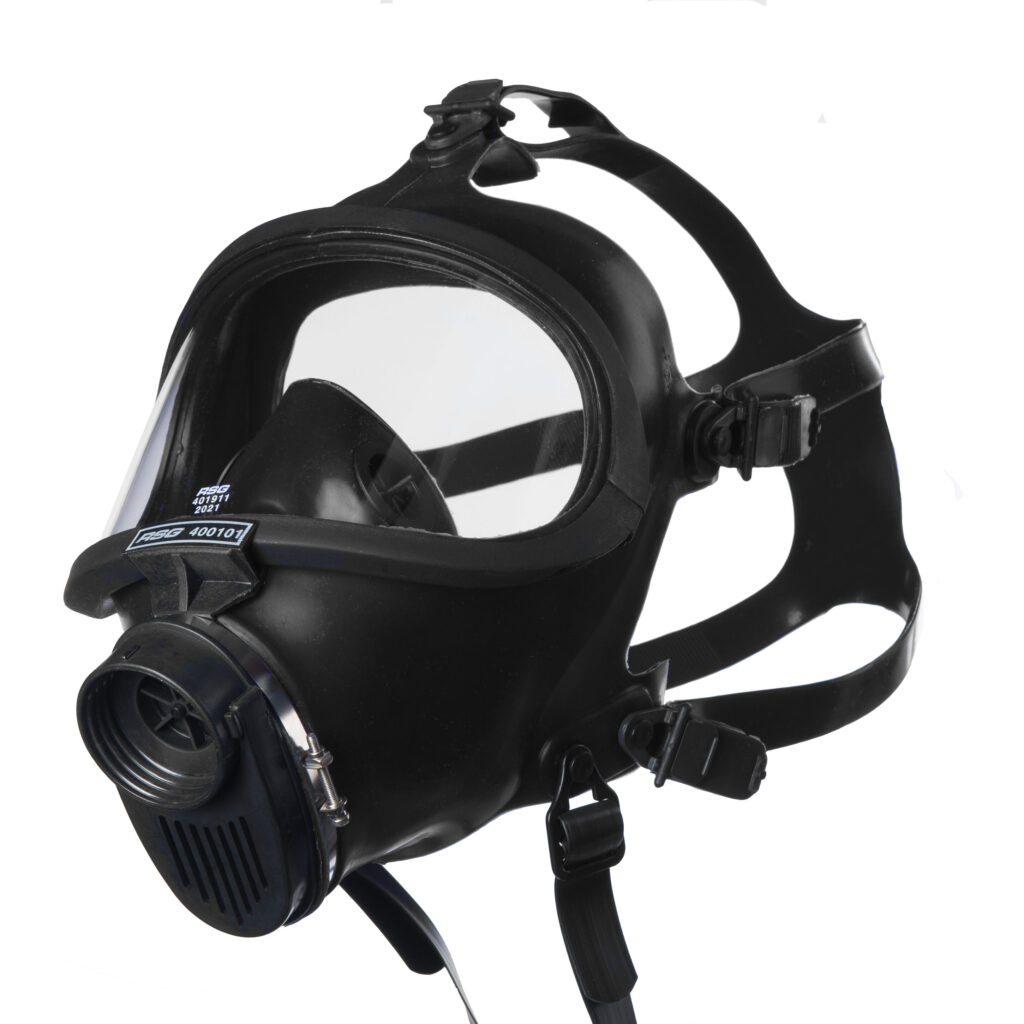
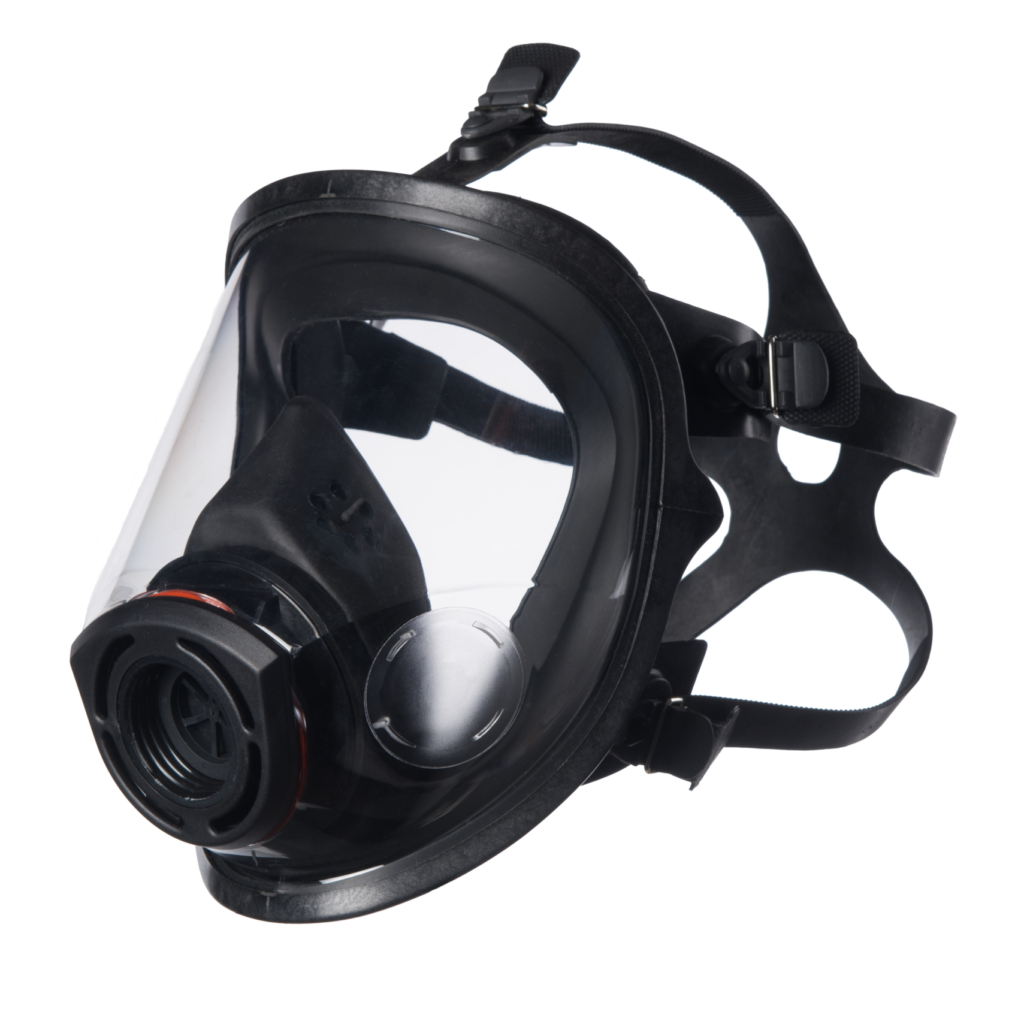
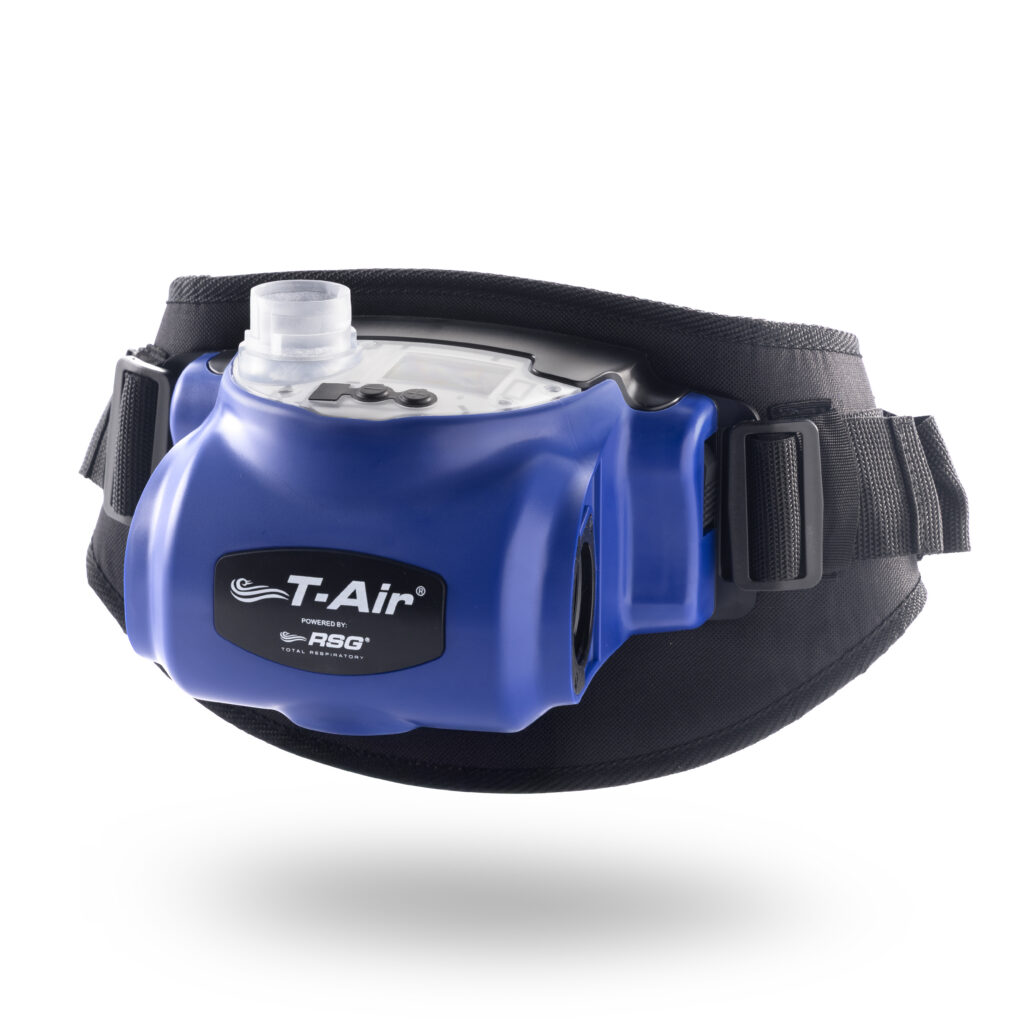
RSG Safety’s 400 series particle, gas, and combination filters are manufactured with a standard Rd40 (EN 148-1) thread connection, making them compatible with the full RSG Safety full face mask range as well as RSG Safety’s T-Air® PAPR systems. This shared connection standard allows the same filter canister to be used across different types of respiratory protective equipment.