PFAS (per- and polyfluoroalkyl substances) are a growing concern due to their environmental persistence and potential health risks. Found in industrial processes, firefighting foams, and various maintenance activities, these substances can pose serious occupational hazards through inhalation, skin contact, or exposure to contaminated surfaces.
With upcoming EU regulations and REACH restrictions on the horizon, safety professionals must take proactive steps to protect workers. At RSG Safety, we specialise in respiratory protection and other essential PPE. This whitepaper offers practical guidance on selecting effective protective equipment to reduce PFAS exposure in the workplace.
Understanding the Risk
PFAS can be present as dust, aerosols, or vapours—each requiring a different level of protection. Once absorbed, these substances remain in the body for extended periods. The STOP-principle (Substitution, Technical, Organisational, Personal) guides the hierarchy of controls. PPE, as the final line of defence, must be chosen and used correctly to be effective.
Choosing Effective PPE
At RSG Safety, respiratory protection is our core expertise. For PFAS-related risks, we recommend:
- Dust and aerosols:
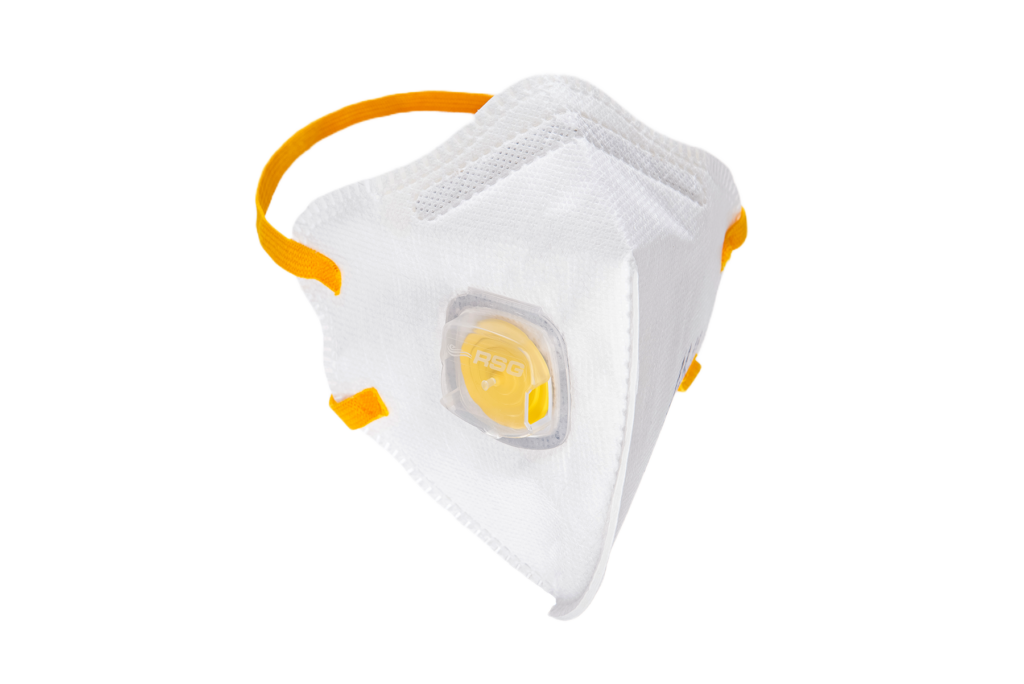
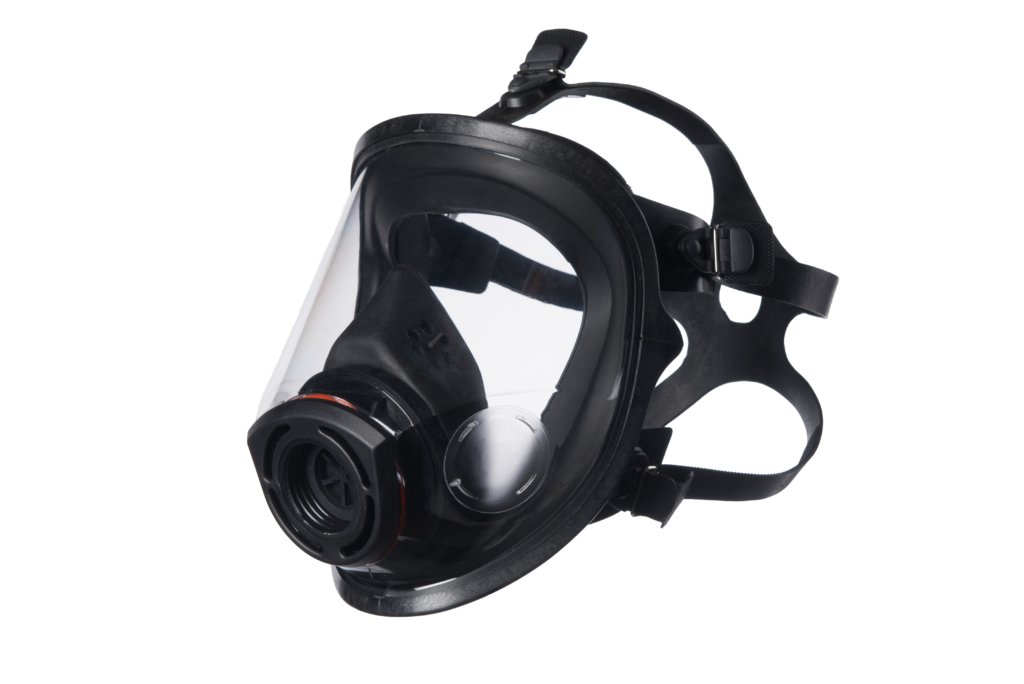
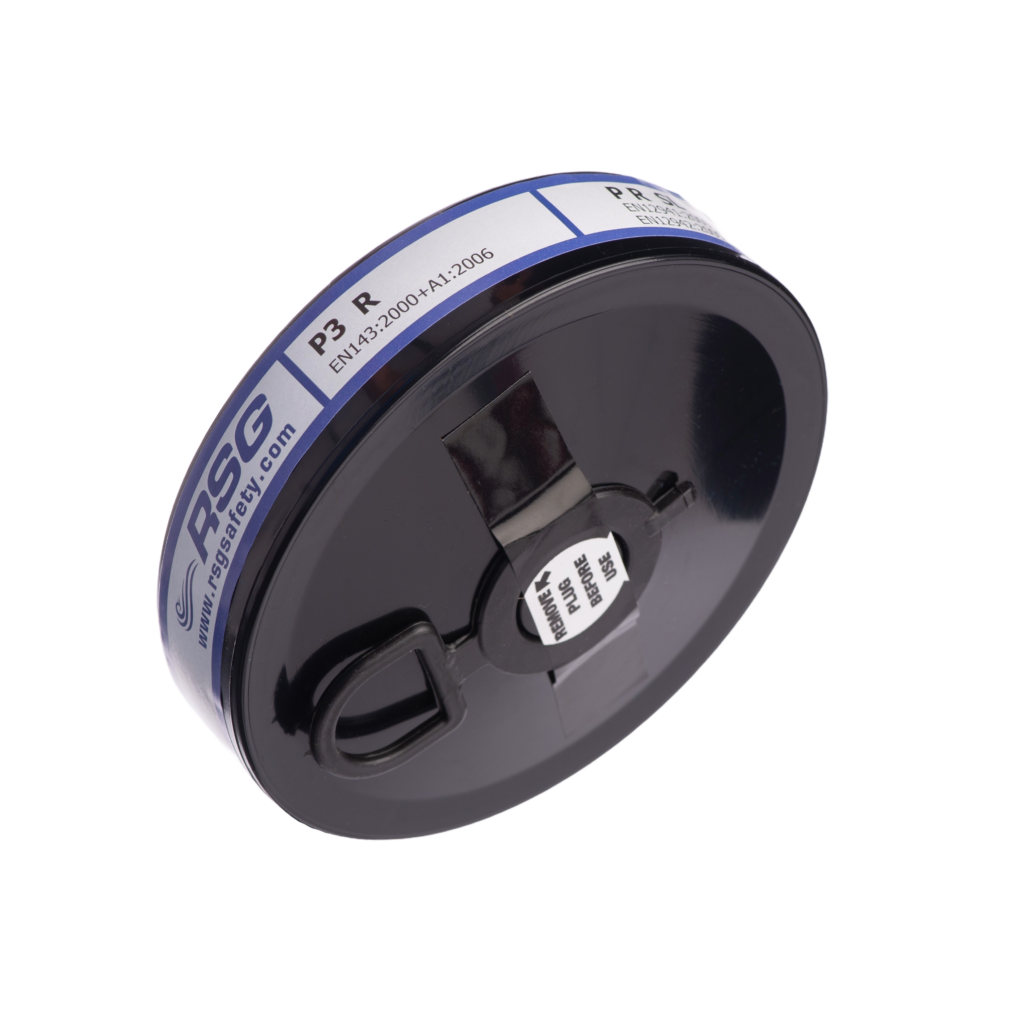
Use FFP3 filtering facepieces (EN 149) or half-/full-face masks (EN 140/EN 136) with P3 filters (EN 143). For example MISTRAL Series FFP3 NR D valved of the RSG 500 E Series Full Face Mask combined with a P3 Filter Canister. - Vapours and precursors:
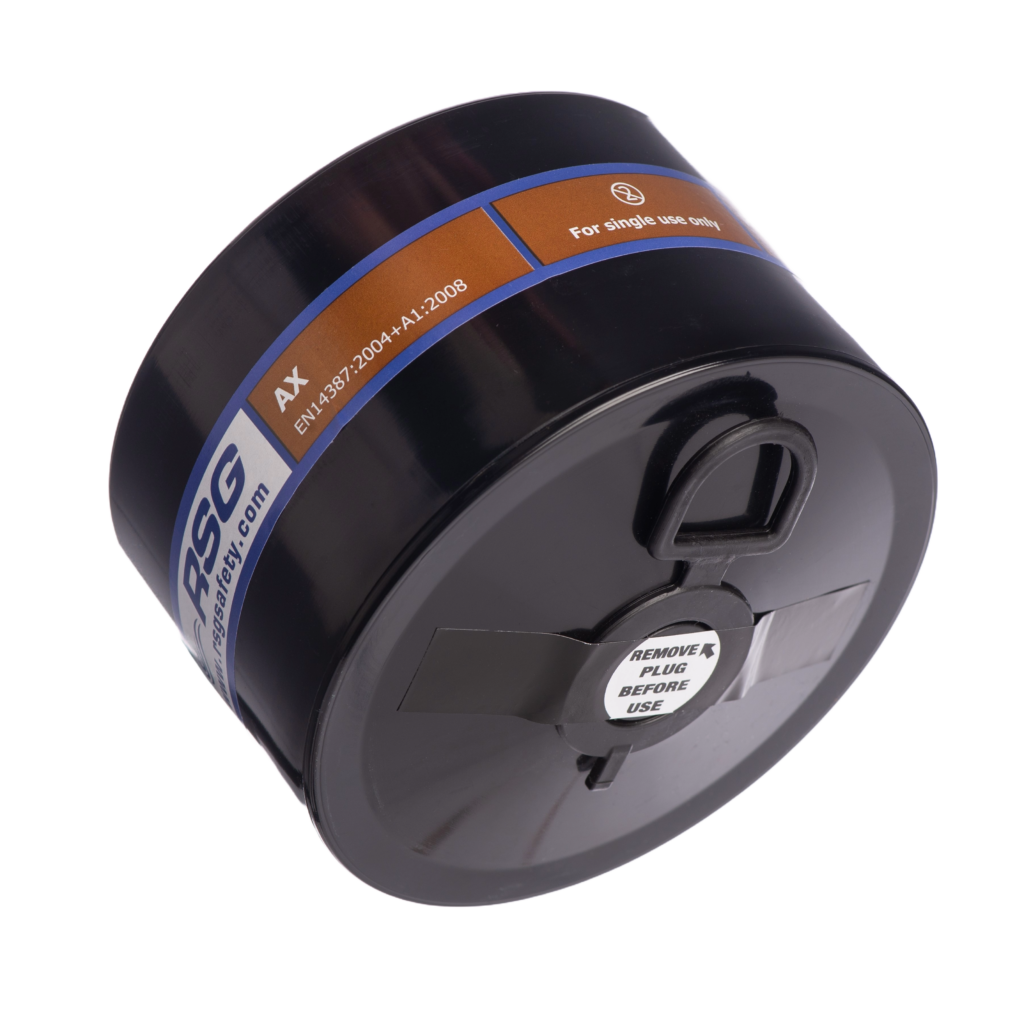
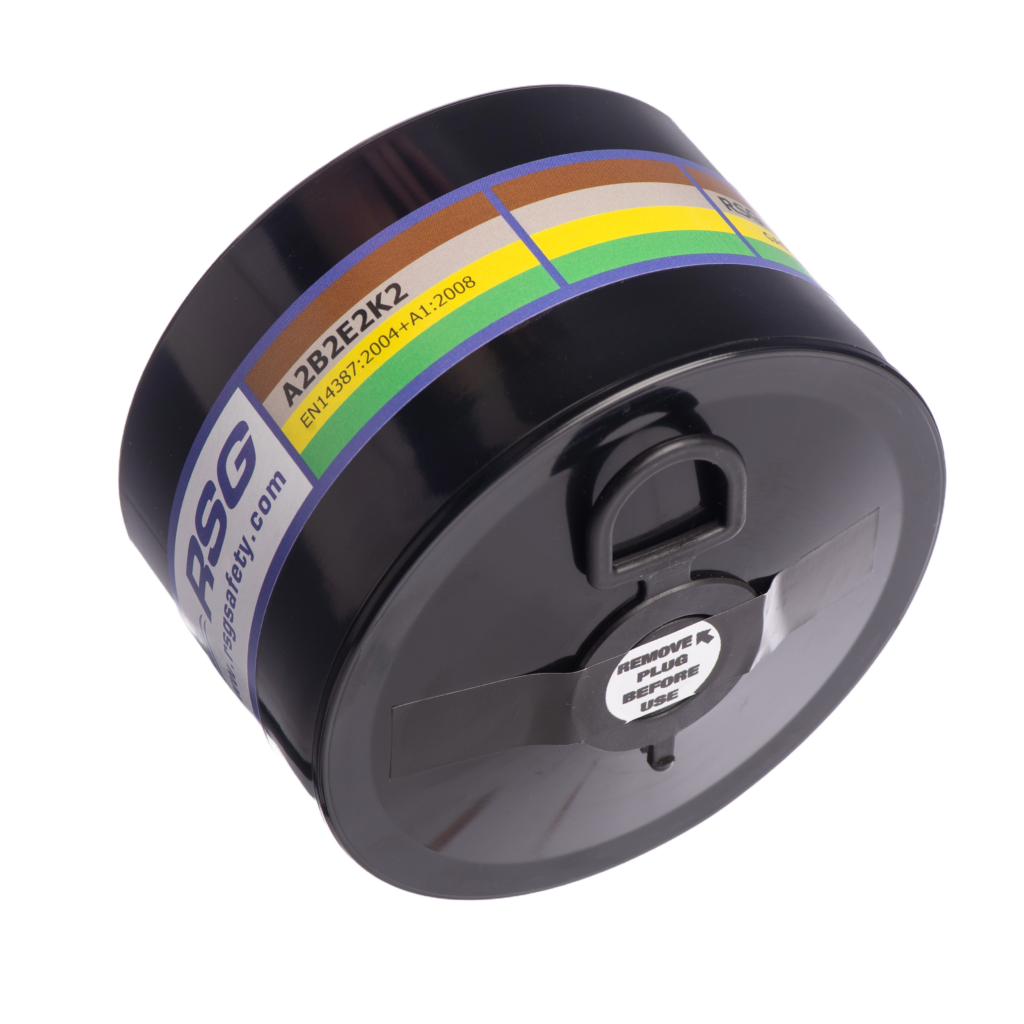
Choose combination filters (e.g., A/AX + P3, optionally B/E/K based on exposure) compliant with EN 14387. Like a AX Gas Filter, AXP3 Combination Filter or a A2B2E2K2 Gas Filter. - High concentrations or unknown risks:
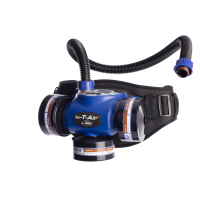
Use SCBA (EN 137) or supplied-air systems (EN 14593/14594). View our T-Air® range.

Body and Skin Protection
- Gloves: Select chemical-resistant materials like nitrile, butyl, FKM (Viton®), or multilayer laminate gloves—depending on the substance involved.
- Protective clothing: Use liquid-tight chemical suits (Category III, Types 3/4/6). View RSG Chemical Workwear CHEM 1 Series.
- Eye and face protection: Sealed goggles or face shields are recommended. View our range in eye and face protection.
- Footwear: Use chemical-resistant boots or disposable overshoes.


Respiratory Protection: 6 Key Points
- Exposure type: Identify whether it’s dust, aerosol, or vapour.
- Protection factor: Match the APF with the expected exposure level (MUC).
- Filter selection: Use EN 14387 filters (A/AX + P3, etc.).
- Fit testing: Ensure a proper fit—facial hair affects sealing.
- Service life: Follow maintenance, storage, and replacement schedules.
- Comfort and usability: Consider wear time, communication needs, and compatibility with other PPE.
Practical Checklist
☐ Has a full risk assessment been conducted?
☐ Are the correct APF and MUC values calculated?
☐ Are appropriate filters (EN 14387 + P3) selected?
☐ Has fit testing been performed and facial hair checked?
☐ Is chemical permeation data available for gloves and suits?
☐ Is there a defined doffing and decontamination process?
☐ Are filter and PPE replacement schedules in place?
Final Thoughts
PFAS exposure requires a serious, informed approach to PPE selection. While it is the last step in the STOP hierarchy, it is vital where other controls fall short. By choosing the right equipment, especially effective respiratory protection, organisations can remain compliant and protect worker health.
Need expert advice or training?
Contact RSG Safety for tailored support, product recommendations or implementation guidance.