
The oak processionary moth poses a serious health risk for professionals working in public spaces, landscaping, arboriculture, forestry and pest control. The microscopic urticating hairs released by the caterpillars can cause skin irritation, eye irritation and respiratory symptoms. That is why selecting the appropriate personal protective equipment (PPE) is essential during inspection, removal and clean-up operations.
Why is the oak processionary moth dangerous?
The caterpillars of the oak processionary moth are covered with thousands of microscopic urticating hairs. These hairs contain an irritating protein and can easily become airborne, exposing workers and bystanders.
Exposure typically results in skin irritation and intense itching, but it can also lead to inflammation of the eyes and irritation of the respiratory tract, including nose and throat. In more sensitive individuals, allergic reactions may occur. A key challenge is that the urticating hairs remain active in the environment long after the nest has been removed, which makes proper protection and decontamination critical.
What to do when an infestation is found
When the oak processionary moth is identified, the most important step is to avoid disturbance of the nest. Any attempt to remove or manipulate the nest without proper procedures can cause the release of large amounts of urticating hairs, significantly increasing the risk of exposure.
Instead, the affected area should be secured immediately. Access must be restricted to prevent contact by workers, visitors or the public, and clear marking of the hazard zone is essential, especially in areas with frequent human activity such as parks, roadsides, industrial sites and educational environments.
Removal should always be carried out by trained professionals. They are able to assess the level of contamination, choose the appropriate removal technique and ensure that contaminated material is handled and disposed of safely.
Personal protective equipment for safe removal
When working in or around oak processionary moth infestations, a complete PPE system is required. This typically includes a protective coverall, suitable gloves, sealed eye and face protection, and respiratory protective equipment. These elements are not used in isolation but as a combined system designed to minimise exposure to airborne urticating hairs and prevent contamination of the skin, clothing and respiratory pathways.
PPE solutions from RSG Safety
RSG Safety provides PPE solutions designed for high-risk environments where exposure to hazardous biological particles may occur. The RSG Microporous TS is a Category III protective coverall certified to Type 4B, 5B and 6B, offering reliable protection against fine particles and contaminated areas.
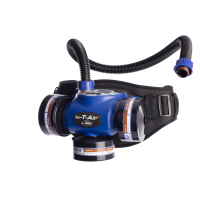
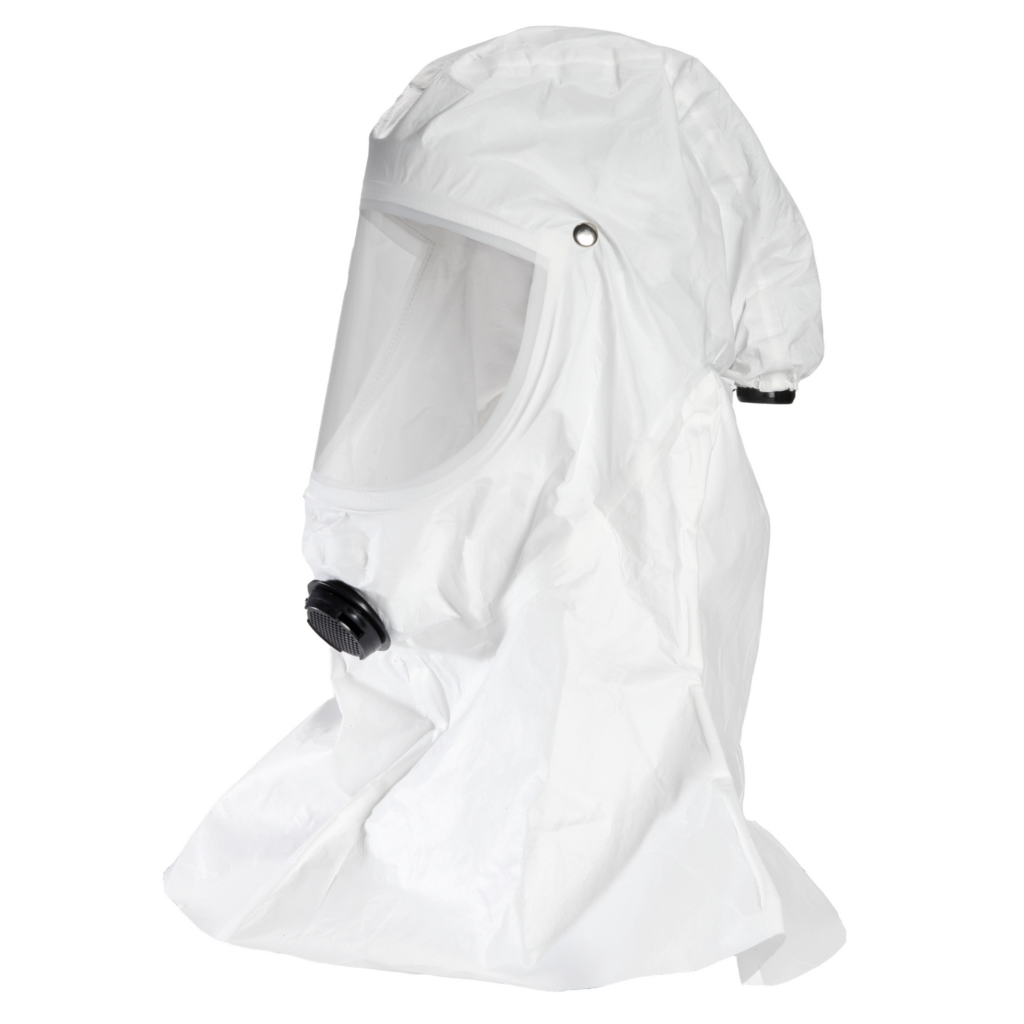
For enhanced protection, especially in situations with increased airborne exposure, the coverall can be combined with the RSG T-Air PAPR system and the RSG T-Air 1000M Hood. This combination supports both respiratory protection and wearer comfort during extended operations in contaminated areas.
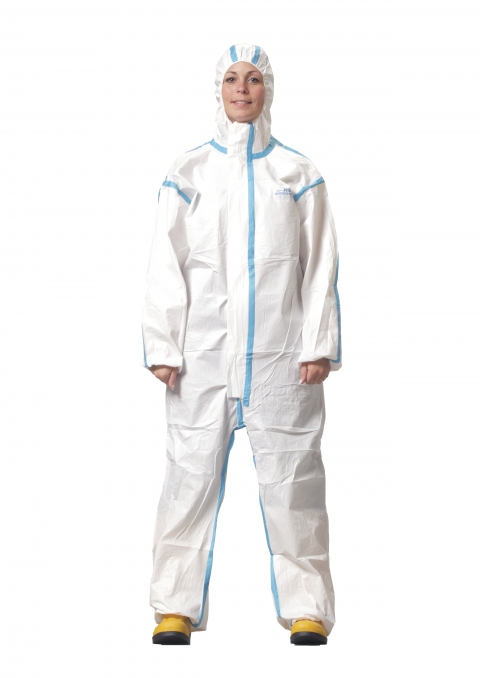
RSG Microporous TS Series
T-Air® PAPR Comfort
T-Air® Hood 1000M
Preventing secondary contamination
After removal activities, proper handling of used equipment is just as important as the protective measures taken during the work itself. PPE and tools should be stored and transported in a controlled manner to avoid further spread of contamination. Reusable equipment must be cleaned according to established procedures, while disposable materials should be safely disposed of in line with applicable regulations. Contaminated clothing or equipment should never be taken into clean environments such as vehicles, offices or rest areas.
Conclusion
The risk associated with the oak processionary moth should never be underestimated. Effective protection depends on a combination of trained personnel, controlled working procedures and the correct personal protective equipment. By applying these measures consistently, organisations can significantly reduce the risk of exposure for workers, contractors and the public.
For guidance on selecting the right PPE for oak processionary moth removal, RSG Safety provides specialist support tailored to high-risk biological exposure environments.
